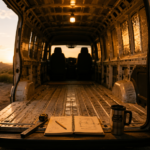


The Question Nobody Asks Out Loud
Let’s start with something most personal finance blogs will never say directly.
If you are lying awake at night doing the math — rent, student loans, credit cards, car payment, utilities, subscriptions you forgot you had — and the numbers simply do not add up no matter how many times you run them, you are not bad with money. You are not lazy. You are not failing at adulthood.
You are living in a system where the baseline cost of existing has outpaced what most jobs actually pay. And you are probably not asking the question that is sitting quietly at the back of your mind, because it feels too radical, too embarrassing, or too far outside what people like you are supposed to do.

The question is this: what if I just stopped paying rent?
Not defaulted on it. Not ran from it. Just — stopped. Chose a different way to live. Deliberately, thoughtfully, on your own terms.
This is what Bob Wells wrote about in How to Live in a Car, Van, or RV — a book that has quietly changed the lives of hundreds of thousands of people who found it at exactly the right moment. And this post is built on those same ideas, updated for 2026, and written for anyone who is seriously wondering whether vehicle dwelling might be the most rational financial decision they could make right now.
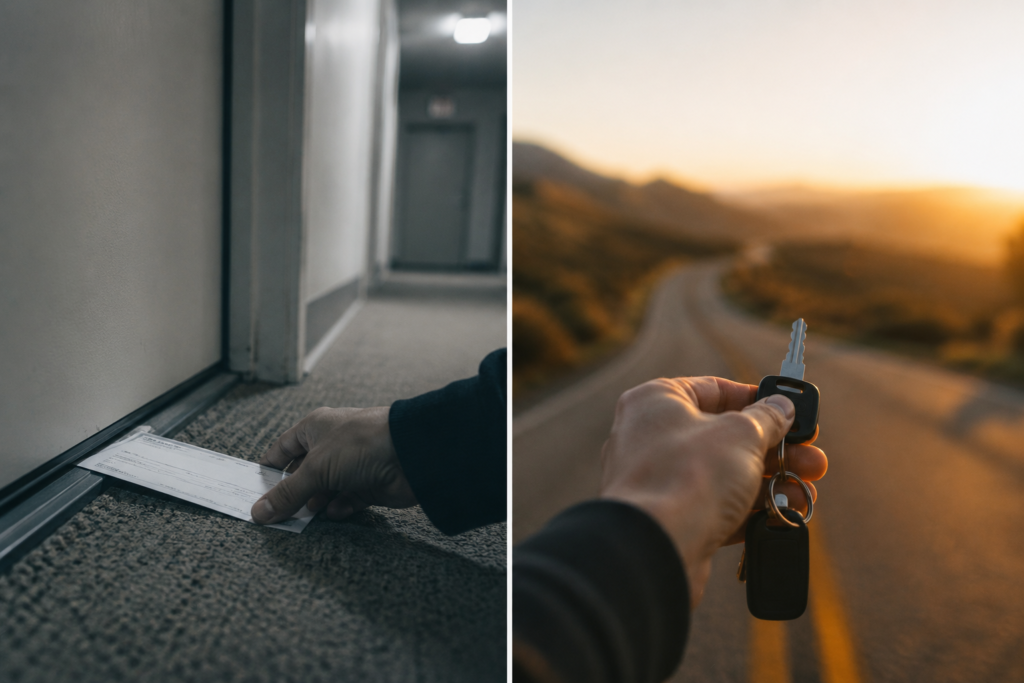
Spoiler: for a lot of people, it is.
Why More People Are Choosing Vehicle Life
A decade ago, living in a van was either a punchline or a tragedy. Today it is a legitimate lifestyle choice made by a rapidly growing community of people who looked at the housing market, looked at their debt, looked at their one life, and decided to do something different.
The numbers explain a lot of it. In most major cities across the US, UK, and Europe, rent now consumes between 40 and 60 percent of the average person’s take-home income. That is not a budget problem. That is a structural trap. When the largest single line item in your life is non-negotiable and non-negotiably large, everything else — savings, debt repayment, investment, experience — gets squeezed into whatever is left.
Vehicle dwelling eliminates that line item entirely. Not reduces it. Eliminates it.
But the people choosing this life are not only doing it for financial reasons. They are doing it because:
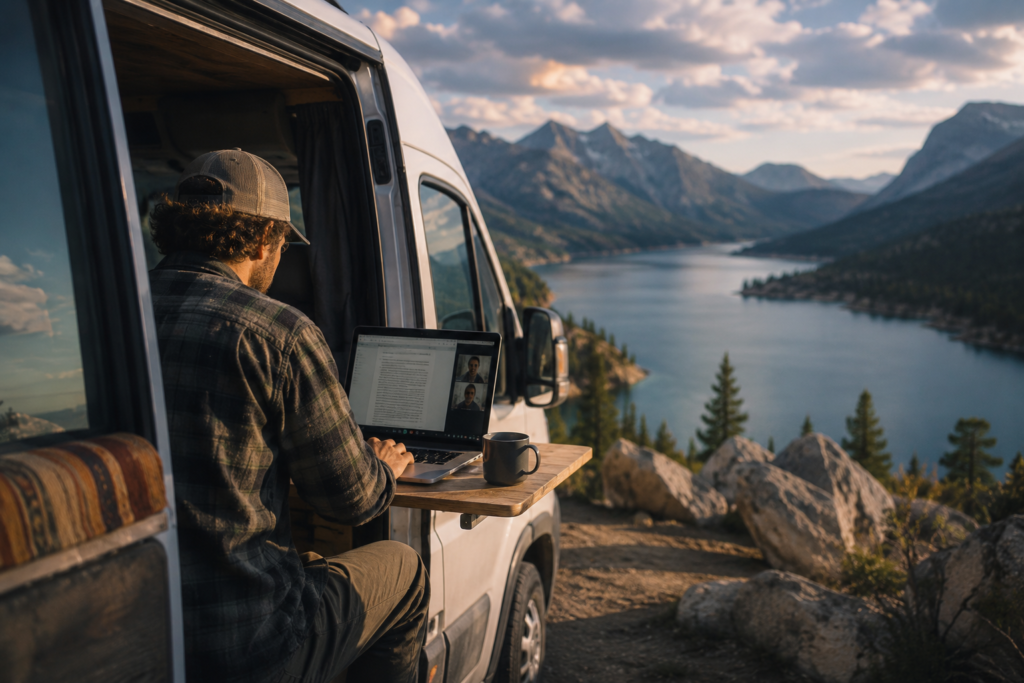
Location independence becomes real. When your home goes where you go, you are not tied to an expensive city for a job you could do from anywhere. You follow the work, the weather, the opportunity, or simply the desire to be somewhere different.
Simplicity has genuine psychological benefits. Owning less turns out to feel better than most people expect. The mental overhead of maintaining a full apartment — the furniture, the stuff, the lease, the landlord, the neighbors — is heavier than you realize until it is gone.

Debt becomes solvable rather than theoretical. When you are paying $1,500 a month in rent, paying off $20,000 in credit card debt feels like a decade-long project. When you eliminate rent and redirect that money to debt, it becomes an 18-month project. That is not an abstraction — that is a transformation.
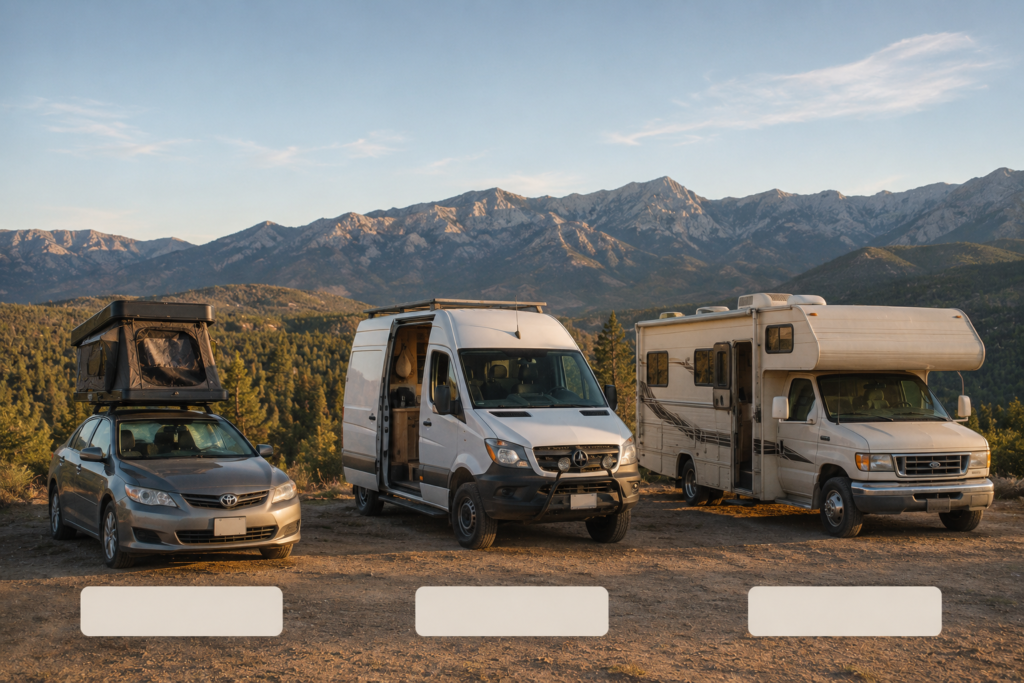
Choosing Your Vehicle — Car, Van, or RV?
The first practical decision is the one that shapes everything else. Here is an honest breakdown.
The Car: Maximum Stealth, Minimum Comfort
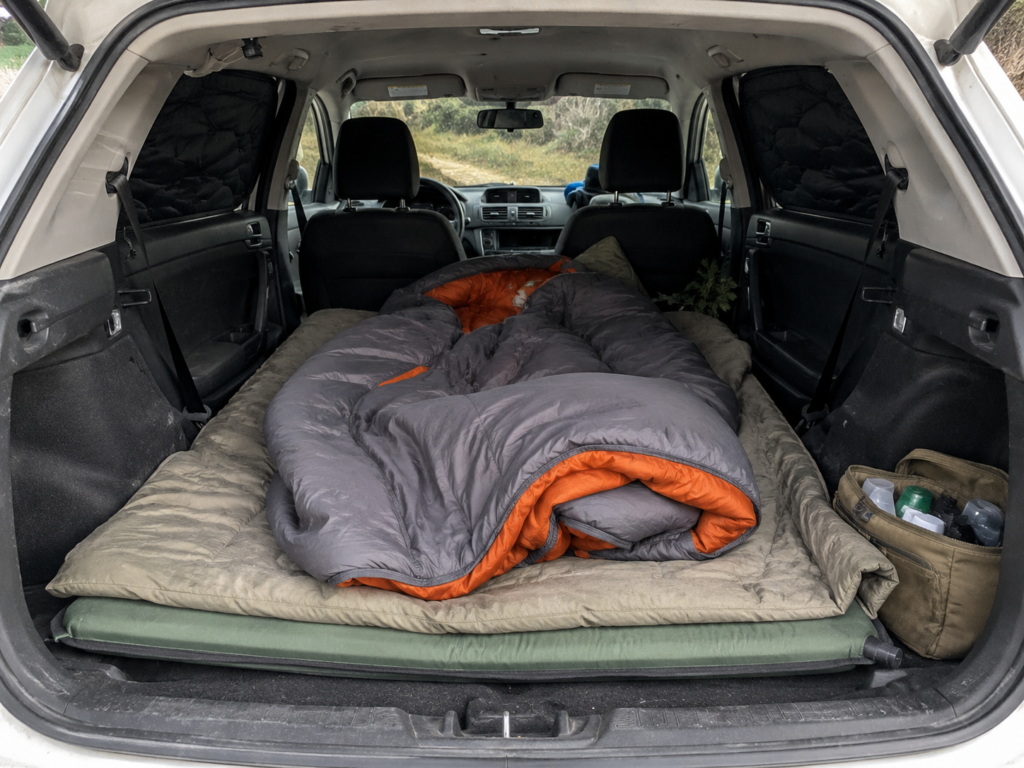
A car is the lowest barrier to entry. You probably already have one. If not, a reliable used sedan or hatchback can be purchased for $3,000–$8,000. In a pinch — or as a short-term experiment — a car can absolutely be lived in.
The reality is that it is hard. Space is extremely limited. Sleeping requires contortion or a specific vehicle with fold-flat rear seats. Cooking is essentially impossible beyond a travel kettle. Privacy is minimal.
Best for: Solo dwellers in mild climates who need to start immediately with minimal investment, or anyone doing a short-term trial before committing to a van.
Not ideal for: Anyone over 5’8″, couples, cold climates, or long-term living.
The Van: The Sweet Spot
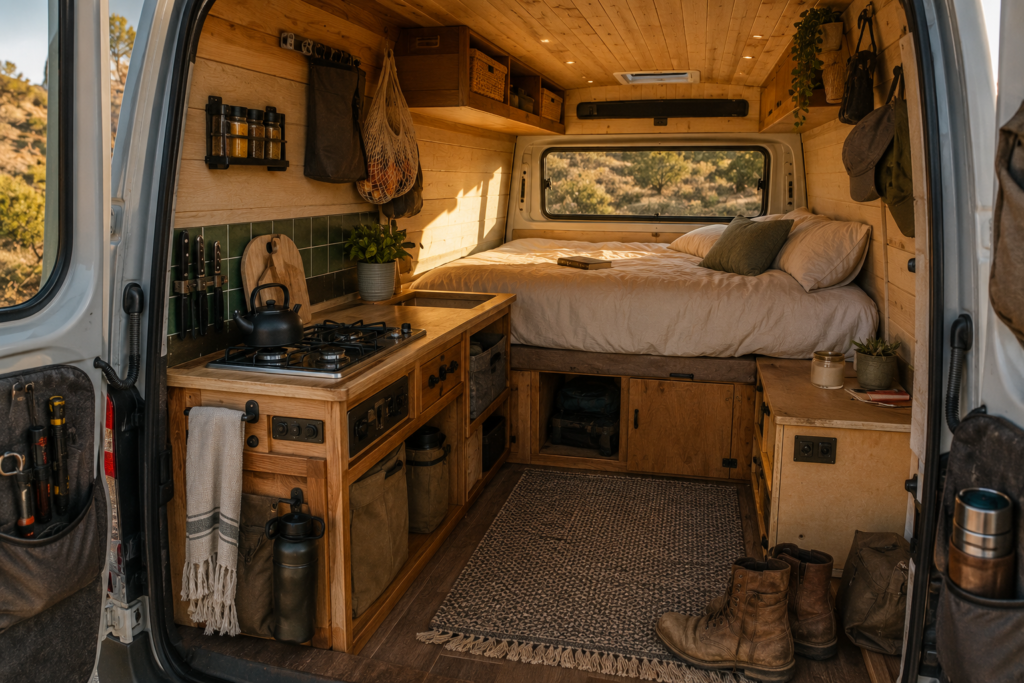
The van is where most serious vehicle dwellers land, and for good reason. A mid-size or full-size cargo van — Ford Transit, Mercedes Sprinter, Ram ProMaster, VW Crafter — offers enough interior space to build a proper sleeping platform, a small kitchen, and storage without being so large that it attracts attention in urban areas.
A used van in good mechanical condition costs between $8,000 and $25,000 depending on age, mileage, and whether it has already been converted. A basic conversion — insulation, bed platform, some storage — can be done for another $1,000–$3,000 if you do the work yourself. A professional or high-end conversion can run $15,000–$50,000, but that is entirely optional.
Best for: Solo dwellers and couples, remote workers, people who want the balance of comfort and discretion, anyone planning to live in urban areas.
Not ideal for: Families with children, anyone who needs to stand up fully (though high-roof vans solve this), or those who need a dedicated workspace separate from sleeping.
The RV or Motorhome: Maximum Comfort, Maximum Commitment
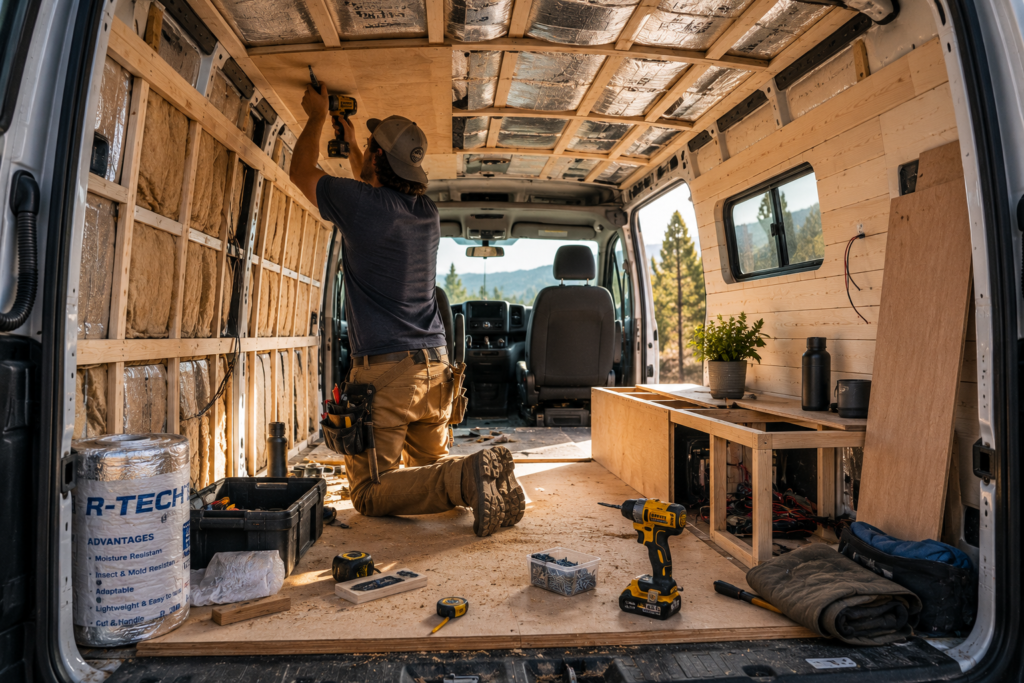
A Class C or Class B RV gives you a proper bed, a kitchen with a stove and sink, a bathroom, and often a dining area. It is the closest thing to a small apartment on wheels. It is also the most expensive option, the thirstiest on fuel, and the hardest to park discreetly in cities.
Used RVs start around $10,000 for older models and run to $80,000+ for newer or well-equipped options. Running costs are higher: more fuel, more maintenance, more campsite fees (because you cannot stealth camp an RV in a city street with any credibility).
Best for: Families, retirees, anyone prioritizing comfort and who plans to use established campgrounds rather than urban stealth camping.
Not ideal for: Tight budgets, city dwellers, anyone who values discretion.
The Financial Case — How Vehicle Living Gets You Out of Debt
This is the section that changes minds. Let us look at real numbers.
The Rent Replacement

The average American renter pays around $1,500–$2,000 per month. In cities like San Francisco, New York, London, or Sydney, that figure is considerably higher. For this example, let us use a conservative $1,400/month — roughly what a one-bedroom apartment costs in a mid-size American city.
Monthly costs of vehicle dwelling, honestly calculated:
| Expense | Monthly Cost |
|---|---|
| Van loan or purchase amortized | $150–$300 |
| Insurance | $100–$150 |
| Fuel | $150–$250 |
| Gym membership (showers) | $25–$50 |
| Maintenance fund | $100–$150 |
| Food (same as before) | $300–$400 |
| Phone/internet | $80–$120 |
| Miscellaneous | $100 |
| Total | $1,005–$1,420 |
Compare that to apartment living at $1,400 rent alone — before utilities, renters insurance, parking, and the general cost of maintaining a full household. The monthly saving is typically between $800 and $1,200 per month.
The Debt Payoff Math

Meet someone with $20,000 in credit card debt at 22% APR, currently making minimum payments of $400/month. At that rate, they will be paying for over 8 years and spending nearly $18,000 in interest alone.
Now they move into a van. Their monthly savings: $1,000.
Instead of the minimum payment, they now throw $1,400 per month at the debt. The $20,000 is gone in just under 16 months. Total interest paid: roughly $3,200 instead of $18,000.
That is not a rounding error. That is a life-changing difference in trajectory.
The Hidden Costs People Forget
Intellectual honesty requires listing these:
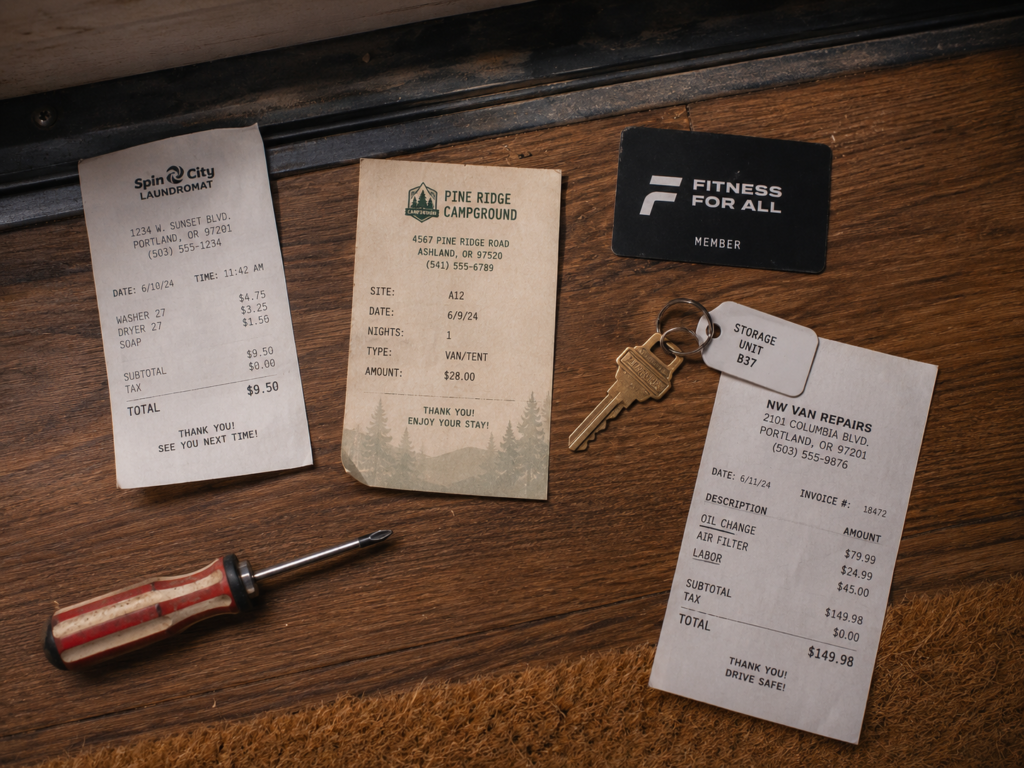
- Storage unit if you keep furniture or belongings: $80–$150/month
- Campsite fees when you want a full hook-up night or a shower: $20–$45/night occasionally
- Laundromat: $20–$40/month
- Vehicle repairs — budget $100–$200/month into a dedicated fund from day one, without exception
- Mail forwarding service: $15–$30/month
Even with all of these included, the math almost always favors vehicle dwelling for anyone carrying significant debt or living in a high-rent area.
Building an Emergency Fund on the Road

The emergency fund is not optional — it is the difference between a temporary setback and a crisis. Target $2,000–$3,000 as your vehicle-specific emergency fund covering: a major repair, a medical expense, or an unexpected need to stay in paid accommodation for a week.
Build it before you need it. Automate a transfer of even $150/month into a separate account from your first week on the road. Do not touch it.
The Basics of Daily Life — Solving the Practical Problems
Sleeping: Where and How
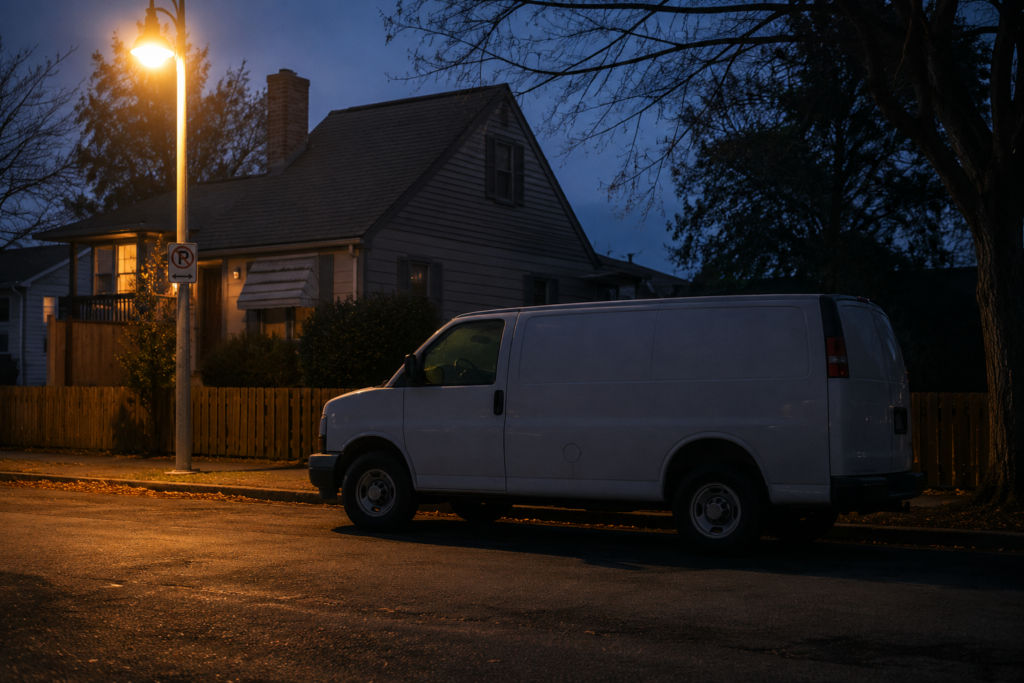
In most of the United States, sleeping in your vehicle on public streets is legal unless specifically prohibited by local ordinance. Walmart parking lots have historically been welcoming to overnight vehicle dwellers (check local policy). Cracker Barrel restaurants allow overnight parking for travelers. Casino parking lots are often large, well-lit, and tolerant.
Stealth camping in urban areas means parking and sleeping in a way that attracts no attention. Practical principles: arrive after dark, leave before 8am, keep windows covered, keep noise to zero, never run a generator in a residential area. A plain white van with no markings is the most discreet option. Curtains or Reflectix window inserts behind the front seats create an invisible separation between the cab and living area.

For free camping outside cities, apps like iOverlander, Park4Night, and Campendium identify free and legal camping spots on public lands. In the American West, Bureau of Land Management (BLM) land allows free camping for up to 14 days in most areas — millions of acres of it, spectacularly beautiful and almost entirely empty.
Showering and Hygiene

This is the question everyone asks first and worries about most. It turns out to be one of the easiest problems to solve.
A Planet Fitness membership costs around $25/month and gives you access to showers at thousands of locations nationwide — making it the single most popular hygiene solution among van lifers. Any gym with a shower network works on the same principle.
Truck stops (Love’s, Pilot, Flying J) sell shower tokens for $12–$15 and offer clean, private shower rooms — a good backup option when a gym is not nearby.
Solar showers — a black water bag left in the sun for a few hours — provide a surprisingly warm and pleasant outdoor shower when you are camping in warmer climates. A privacy tent ($20–$40) completes the setup.
For day-to-day hygiene between showers: biodegradable wet wipes, dry shampoo, and a small basin for a morning face and hands wash keep you feeling human between gym visits.
Cooking on the Road

A two-burner propane camp stove handles 95% of van life cooking needs. A 1lb propane canister lasts 1–2 weeks of regular cooking; larger refillable tanks are more economical for long-term use.
Meal planning matters more on the road than it does at home. Cook once, eat twice — make a large pot of rice and beans, a batch of roasted vegetables, a big pasta — and eat it across two meals. It saves fuel, time, and the cognitive load of deciding what to eat in a small space.
Without a fridge, the following keep well at room temperature: dried beans and lentils, rice, pasta, oats, canned fish, nut butters, hard cheeses, root vegetables, citrus, apples, and onions. A small 12V cooler or a quality ice chest extends your fresh food options significantly.
Mail, Address, and Legal Domicile
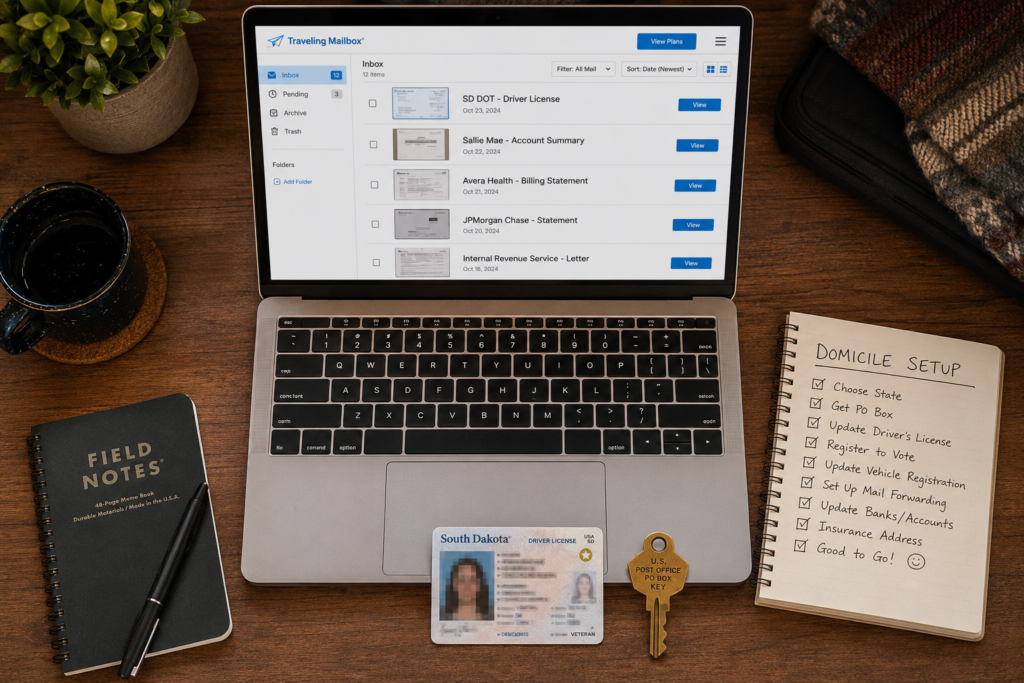
You need a legal address for your driving license, banking, voting, and taxes. Options:
- A trusted friend or family member’s address — the simplest solution if someone is willing
- Mail forwarding services like Traveling Mailbox or Anytime Mailbox — receive a real street address, and they scan and forward your mail digitally
- South Dakota domicile — popular among full-time American vehicle dwellers because South Dakota has no state income tax, straightforward vehicle registration, and easy residency requirements. A single night in a Sioux Falls motel, a post office box, and a trip to the DMV is all it takes
Internet and Remote Work
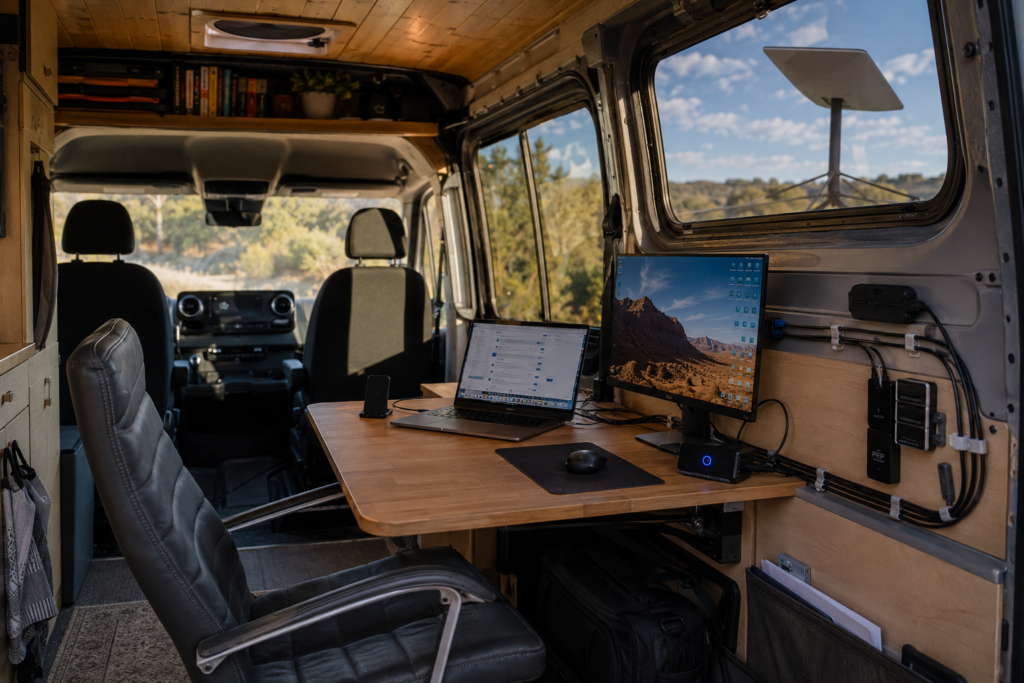
A mobile hotspot through your phone carrier — or a dedicated device from a carrier with good rural coverage — is the foundation of van life internet. In the US, T-Mobile and Verizon have the most comprehensive rural coverage.
Starlink’s RV plan has been a genuine game-changer for vehicle dwellers in remote areas, providing reliable high-speed internet almost anywhere with a clear view of the sky. The hardware costs around $599 and the service runs $150/month — expensive, but transformative if remote work is your income source.
Public libraries remain free, fast, and welcoming to anyone who needs a few hours of reliable Wi-Fi and a proper chair.
The Emotional Reality — What Nobody Tells You
Here is the part that the van life Instagram accounts tend to skip.

The first month is hard. Not hard in a dangerous way — hard in a disorienting, occasionally lonely, this-is-not-what-I-imagined way. You will have at least one evening parked in an unfamiliar street, listening to rain on the roof, wondering what you have done.
This is normal. Almost every long-term vehicle dweller reports the same 2–3 month adjustment period before the lifestyle starts to feel natural rather than provisional.
Loneliness is real
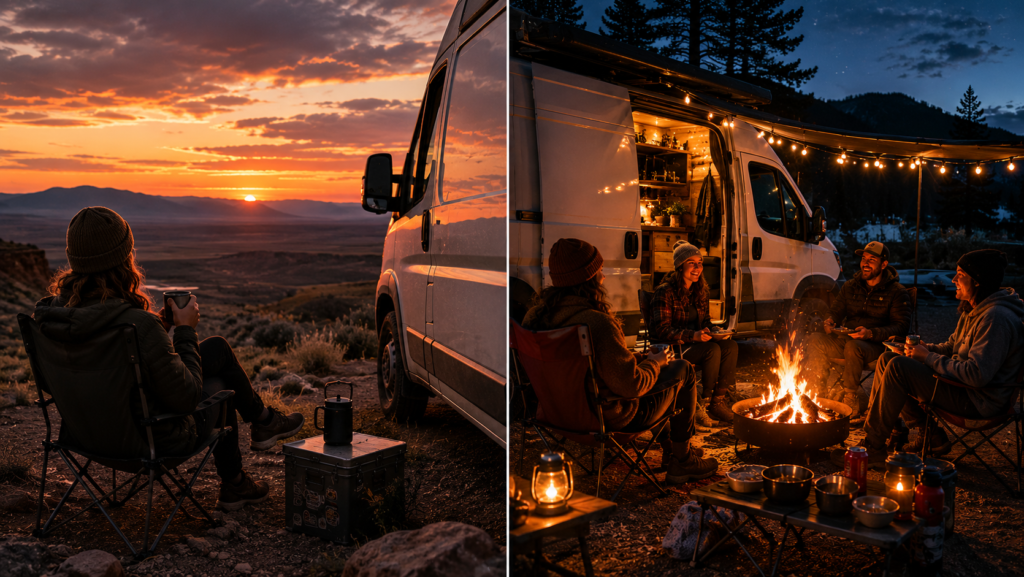
especially if you left a social life tied to a fixed address. The van life community online is warm and genuinely helpful, but it does not replace in-person connection. Seek out van life meetups, campground communities, and the kind of slow travel that allows you to stay somewhere long enough to make actual friends.
The social stigma stings sometimes

People will make assumptions. Some will be unkind. Most, when they understand the deliberate nature of your choice, will be curious and even a little envious. You do not owe anyone an explanation, but having a clear and confident one ready — “I’m paying off debt and saving money while I travel” — tends to shut down judgment quickly.
Bad weather days in a van are genuinely difficult. A week of rain when you cannot open the doors, cannot sit outside, and have nowhere to go but a coffee shop tests even the most committed van lifers. A good book, a downloaded Netflix season, and a flask of decent coffee are not luxuries in these moments — they are infrastructure.
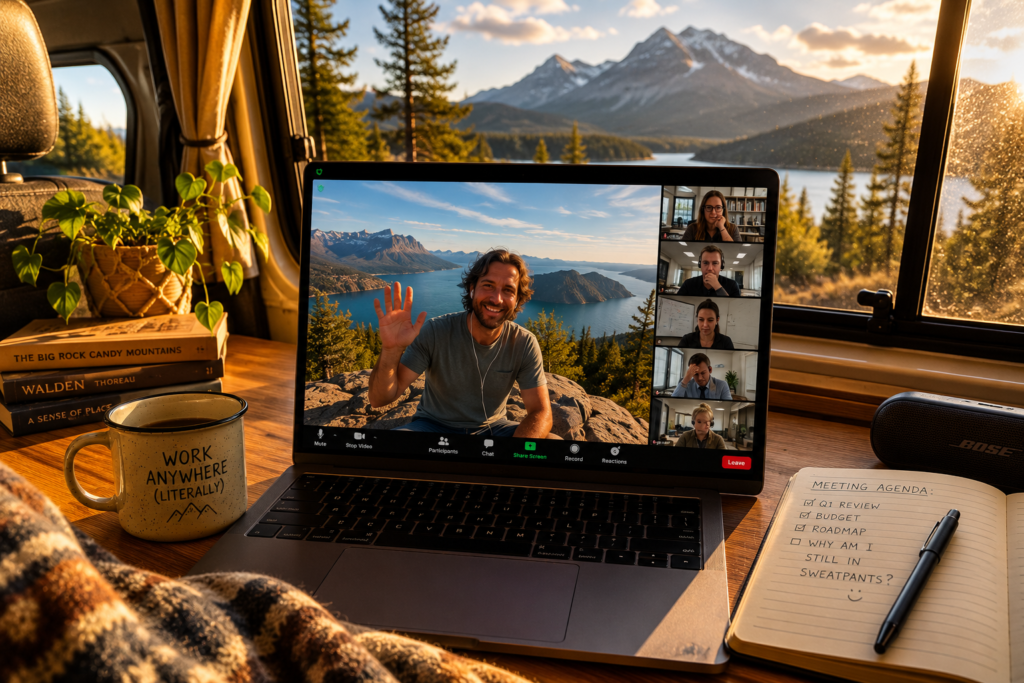
And then there are the other moments. Waking up to fog lifting off a mountain lake. Working from a clifftop with a view that your office-bound colleagues will see only as your Zoom background. The quiet pride of knowing that your monthly outgoings are lower than your weekly income. The lightness — physical and psychological — of owning only what fits in your vehicle and discovering that it is enough.
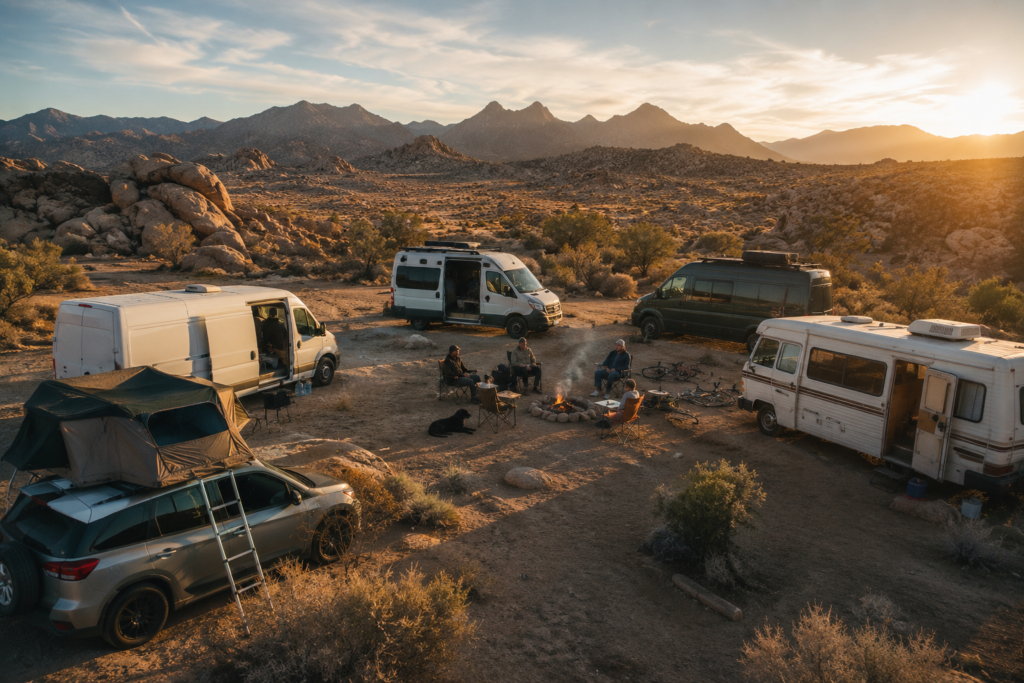
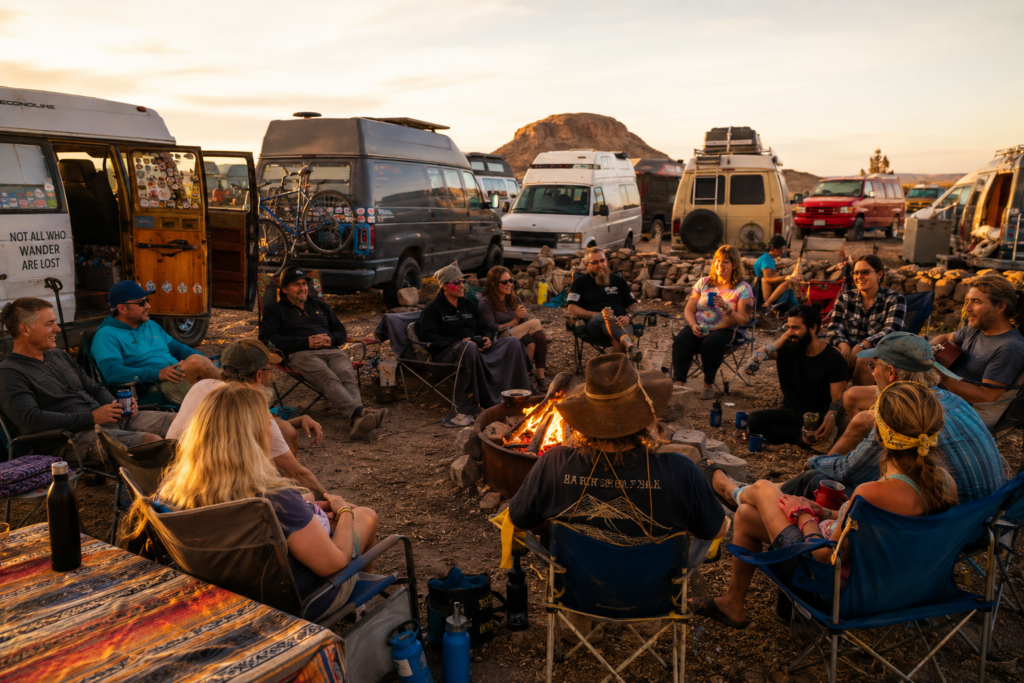
The community, when you find it, is one of the genuinely unexpected rewards. Vehicle dwellers look out for each other. They share spots, resources, skills, and dinners. At a BLM camping area or a van life gathering, strangers become neighbors within hours.
How to Get Started — Your First 30 Days Action Plan
Week 1: The Financial Audit

Sit down with your bank statements and build a completely honest picture of your current finances. Total debt by account. Monthly minimum payments. Current rent and utilities. What you actually spend on food, transport, and everything else. Set a specific debt-freedom goal with a target date based on vehicle dwelling savings.
Week 2: Choose and Research Your Vehicle
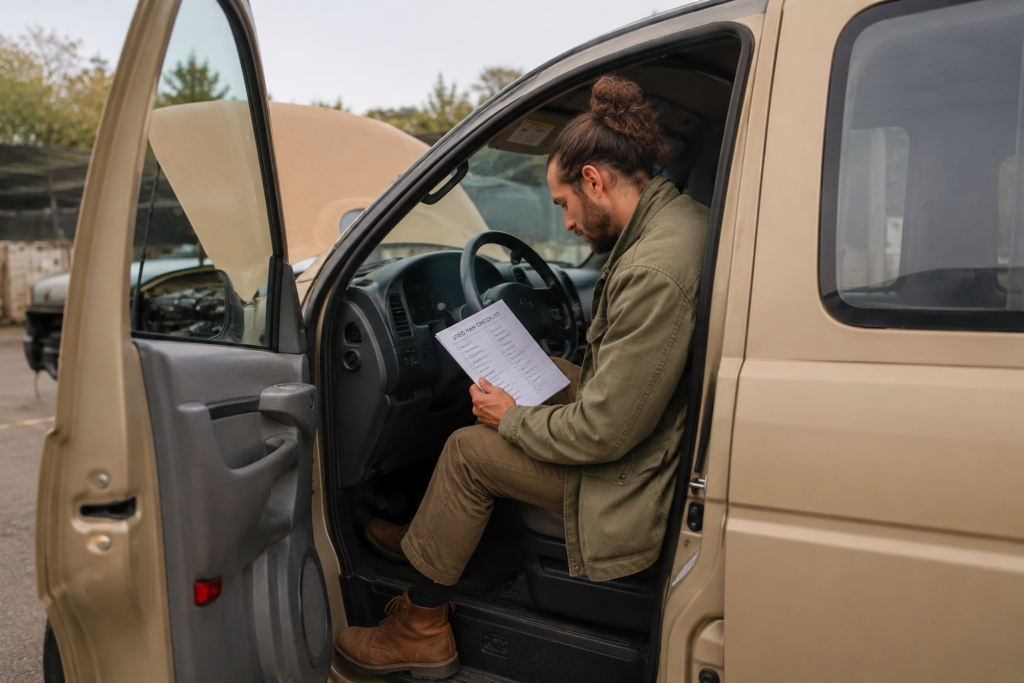
Based on your budget and needs, identify your vehicle category. Spend the week researching specific makes and models, reading reliability reports, watching YouTube walkthroughs of conversions, and identifying two or three vehicles within your budget to inspect in person.
Week 3: Downsize and Prepare

Begin selling, donating, or storing possessions you cannot take with you. Give notice on your lease if timing allows. Set up a mail forwarding solution. Open a dedicated savings account for your vehicle emergency fund and make your first deposit.
Week 4: Set Up and Trial Run
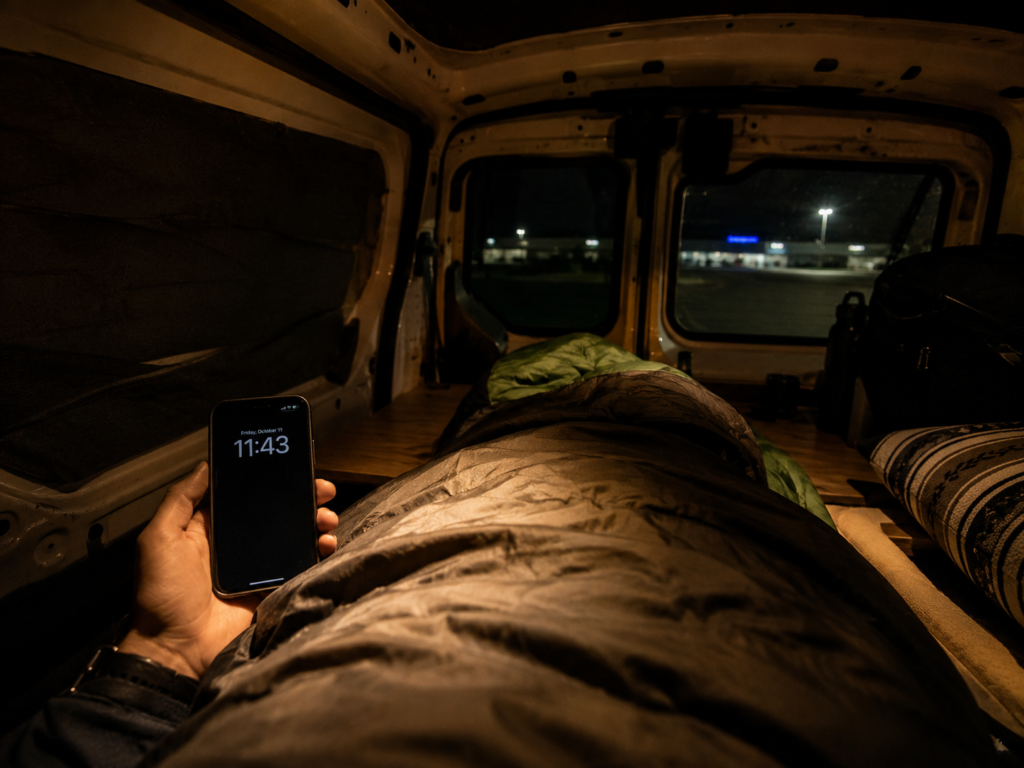
Complete your basic vehicle setup — at minimum a sleeping platform and window coverings. Before going full-time, do a trial run of two weeks living in the vehicle while still having your apartment as a fallback. Work out the practical problems — shower routine, cooking setup, parking spots — before you are fully committed.
Then commit.
Resources and Community
Online communities:
- Reddit r/vandwellers — 500,000+ members, genuinely helpful, honest about difficulties
- Reddit r/urbancarliving — for car dwellers specifically
- YouTube channels: Kara and Nate, Nomadic Fanatic, Trent and Allie
- Facebook groups: Vandwellers, Solo Female Van Lifers, CheapRVLiving (Bob Wells’ own community)
Apps for finding camping and parking:
- iOverlander — community-sourced camping spots worldwide
- Park4Night — essential for Europe
- Campendium — US-focused with detailed reviews
- FreeRoam — free and dispersed camping on public lands
- The Dyrt — campground reviews with offline maps
Essential reading:
- How to Live in a Car, Van, or RV by Bob Wells — the foundational text
- Walden on Wheels by Ken Ilgunas — a memoir of van life through graduate school
- The $100 Startup by Chris Guillebeau — for building income that supports location independence
Freedom Is a Different Address
Here is what nobody tells you when you are sitting in your apartment doing the math at midnight.

Freedom does not look like a beach. It does not look like a passport stamp or a perfectly filtered photograph of a van door open onto a mountain view. Those things are real and they are wonderful, but they are not the point.
Freedom looks like the first of the month arriving and feeling nothing. No dread. No scramble. No calculation of which bill gets paid first and which gets deferred. Just another day, parked somewhere you chose, in a vehicle that is yours, living a life that costs less than you earn.
It looks like watching your debt balance go down every month instead of sideways. Like building a savings account for the first time in years. Like the quiet, private satisfaction of having solved a problem that most people around you are still suffering through.
Vehicle dwelling is not for everyone. It requires flexibility, tolerance for discomfort, and a willingness to let go of what other people think you should be doing. It has real difficulties that deserve honest acknowledgment rather than glossy minimization.
But for the right person — the person who is currently losing sleep over rent, debt, and a future that feels like it is narrowing rather than opening — it might be the most rational, most liberating, most quietly revolutionary decision available.
You do not need a bigger salary. You do not need to wait for the housing market to change. You do not need permission.
You just need a vehicle, a plan, and the willingness to ask the question nobody asks out loud.
For a deeper dive, a comprehensive online guide is available, covering all aspects in detail—from planning and budgeting to daily life on the road.
Have you made the switch to vehicle dwelling, or are you considering it? Share your situation in the comments — this community answers questions and nobody judges here.